
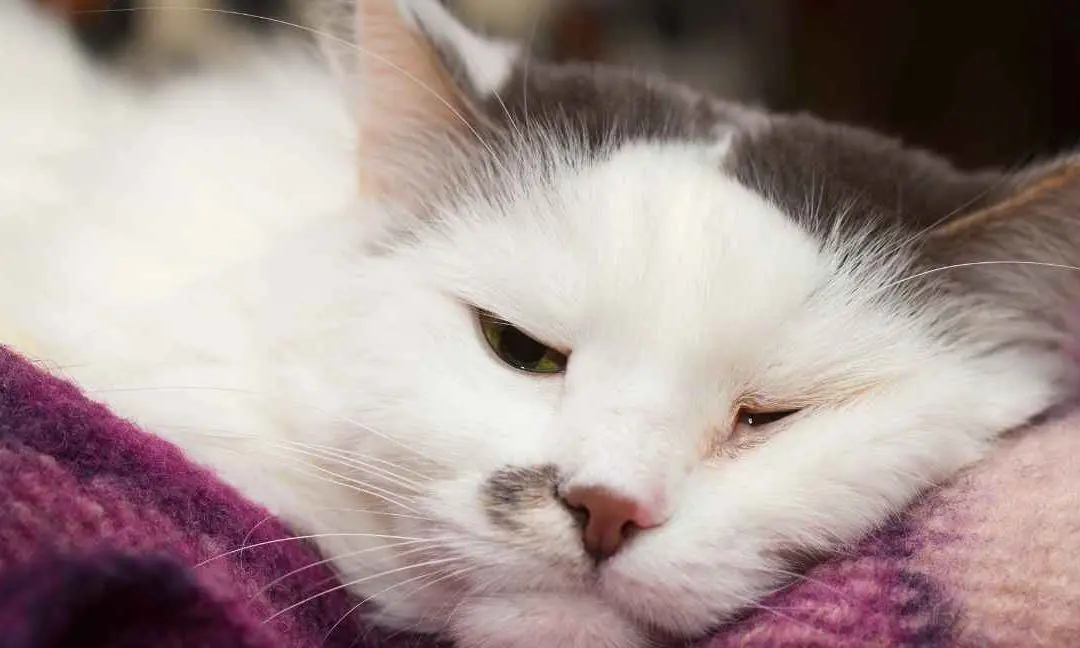
We all know how miserable a cold can feel… a stuffy nose, watery eyes, and difficulty breathing. All we want to do is rest and recover. Cats feel the same way when they have a cold, and while it can be worrying to watch, there are gentle home remedies for cat colds that can help relieve their discomfort while they heal. Knowing how to ease cat congestion at home and when to seek veterinary help can make a big difference to your cat’s comfort and recovery.
Causes of Cat Colds
Cat colds are most commonly caused by viruses, though bacterial infections can also contribute. These illnesses are generally classified as feline upper respiratory infections (URIs).
The two most common viral causes are:
- Feline herpesvirus (feline viral rhinotracheitis)
- Feline calicivirus
These little nasties (or pathogens) are usually spread through airborne droplets from sneezing or coughing, but they can also be transmitted via shared food bowls, water, bedding, and human hands or clothing.
Cats in close-contact environments such as shelters, boarding kennels, or multi-cat households are more vulnerable. However, indoor cats are not immune. Your cat can catch a cold from visiting cats, neighbourhood cats, or even indirect contact if you’ve handled a sick cat elsewhere and then touched your own pet.
Signs Your Cat May Have a Cold
Symptoms vary from cat to cat, and in most cases, they last 7–10 days. However, this leads many pet owners to wonder: how long can a cat’s cold last before seeking your vet’s help? (More on that below.)
The most common signs include:
- Sneezing
- Runny nose
- Eye discharge
- Red, watery eyes
- Mild coughing
- Open-mouth breathing due to congestion
- Mild fever
- Loss of appetite or reduced interest in food
Symptoms vs When to See a Vet
Moderate Symptoms:
These symptoms are usually manageable with close monitoring.
- Occasional sneezing
- Clear nasal or eye discharge
- Mild lethargy
- Eating slightly less but still drinking
- Congestion without breathing distress
If symptoms improve within 7–10 days, home care is often sufficient.
Emergency Signs (Seek Vet Care Immediately)
Contact your veterinarian immediately if you notice:
- Difficulty breathing or persistent open-mouth breathing
- Thick yellow or green discharge from the eyes or the nose
- Complete refusal to eat or drink for 24 hours
- High fever
- Extreme lethargy or collapse
- Kittens, senior cats, or immunocompromised cats showing symptoms
These signs may indicate a secondary infection or a more serious condition that requires medical treatment.
The “7-Day At-Home” Cat Cold Care Plan
These gentle, supportive home remedies for cat colds focus on comfort and recovery. They are not a replacement for veterinary care if symptoms worsen.
1. Ensure Proper Ventilation
Good airflow helps reduce irritants and keeps the air fresh. Open your windows (but make sure your cat can’t get out) to ensure proper airflow in your home. If you have multiple pets, isolate your sick cat in a well-ventilated room.
2. Use Steam or a Humidifier
Steam helps loosen mucus and ease cat congestion at home. Take your kitty in the bathroom, run a hot shower, close the door, and sit with them for 5–10 minutes. Do this once or twice daily.
3. Encourage Eating and Hydration
Cats rely heavily on smell to eat, and congestion can reduce appetite. Encourage regular feeding by offering extra aromatic foods, such as wet cat food, tuna, or sardines (in moderation). Always ensure fresh water is available as well.
4. Gently Clean Eyes and Nose
Use a soft, warm, damp cloth to wipe away discharge from the eyes and nose to help prevent irritation or secondary infections.
5. Boost Their Immune System
Just like humans, a large portion of your feline’s immune system depends on their gut health. Use vet-approved probiotics to strengthen their immune system. Vitamin C and L-lysine can also help your cat recover from the cold much quicker. *Before giving any of these to your pet, always consult your veterinarian.
6. Create a Warm, Stress-Free Space
One of the most essential home care tips for cats with an upper respiratory infection is to create a stress-free environment. Cats recover better when they feel safe and warm. Provide soft bedding, reduce noise, and keep them away from drafts. Stress can slow healing, especially in cats with herpesvirus.
7. Encourage Gentle Rest and Comfort
Avoid excessive handling, but gentle reassurance, calm companionship, and light cuddles (if your cat wants them) can help reduce anxiety and support healing.
Cat Cold Relief Products Recommended by Vets
Some cat cold relief products recommended by vets may help support recovery, including:
- Saline eye drops (vet-approved)
- Humidifiers designed for pets
- Probiotic supplements
- Prescription antivirals or antibiotics (only if prescribed)
Never give human cold medications to cats, as many are toxic.
FAQs About Cat Colds
How long can a cat’s cold last before seeking vet help?
Most mild cat colds last 7–10 days. If symptoms persist beyond this, worsen, or your cat stops eating, veterinary care is recommended.
Can humans catch a cold from cats?
No. Cat colds are species-specific, and humans cannot catch colds from cats.
Are cat colds life-threatening?
Most are mild, but they can become serious in kittens, senior cats, or cats with weakened immune systems. Monitoring symptoms closely is essential.
Home Remedies for Cat Colds: Your Care Matters Most
One of the most effective home remedies for cat colds is the loving care you provide. It may be a round-the-clock task, but as a pet parent, your kitty’s recovery should be your top priority. You want them to feel as comfortable as quickly as possible. Nursing a sick cat can be tiring, but your patience, comfort, and attentiveness play a vital role in their recovery. Don’t hesitate to offer gentle cuddles and reassurance. Your presence helps your furry feline friend feel safe and supported during a vulnerable time.
Related Blogs:
Cat Eye Infections: Do You See The Signs?
4 Common Health Issues In Cats: Symptoms, Causes, Treatments