
Cats are adorable animals and as any cat-lover will agree, they make great pets. They come in different shapes and sizes, and because of this, it can be difficult to determine the ideal cat weight. To ensure they are healthy, it is essential to keep track of their weight.
Maintaining an Ideal Cat Weight: Why is it so Important?
How heavy or light a cat is has a significant impact on their lifestyle and lifespan. Think of it this way, when comparing the weight of cats against that of humans, each excess pound (0.45kg) on a domestic cat is equal to 15 pounds (around 7kg) on a 162.5cm (5’4″) woman. This makes it more crucial to keep them at their ideal weight.
Underweight and overweight or obese felines have an increased chance of developing health issues, such as diabetes, arthritis, urinary issues kidney and heart illness. As both have malnutrition, they have weakened immune systems that make them susceptible to potential diseases.
They may also suffer mentally and psychologically due to their inability to perform physical activities. Either their body is too heavy, or they are too thin and weak to walk, play and pounce, which causes them to become unhappy.
What is the Ideal Cat Weight?
A cat’s weight will depend on their breed and size, so there is really no one size fits all number. Some can be as light as 2.5 kg or as heavy as 10 or more kgs in rare cases. A cat’s weight will also change throughout different times of day depending on a range of factors such as breeding habits and feeding schedules.
Ideal Cat Weight Based on Breed:
- Domestic cat – 3.5 to 4.5 kg
- Siamese – 2.2 to 4.5 kg
- Persian – 3 – 5.5 kg
- Maine Coon – 4.5 to 11 kg
*Note that these are just suggested “ideal weight ranges”; they are only starting points. Your veterinarian still needs to assess your furbaby’s specific body condition.
Rather than concentrating on achieving a specific number, it’s best to focus on their body condition assessment score. It looks at overall fat content versus muscle mass, which is more closely related to cats’ health and well being. The specific number will matter more in tracking their progress in cases where they are in a weight loss/gain program.
How To Keep A Healthy and Ideal Cat Weight
Feed them Nutritious Food.
When choosing cat food, check the label for its contents and nutritional value. Cats thrive on low calorie, high fibre, high protein diets. You can also opt for lean fish, meats and poultry.
It is also essential to look at how you are feeding your cat. Give them just the right amount at scheduled times. Treats should be for reinforcing positive behaviour, not given all the time.
Help them Exercise Regularly.
Toys are a great way to keep your cat engaged and entertained. Find interactive games and toys that let them jump, run and pounce. You might want to consider introducing another feline friend to play with.
Be observant of their Appearance and Behaviour.
Perform daily body rubs and check if they have bulging stomachs or ribs that become more palpable. Observe their behaviour as well. Often, underweight or overweight cats become irritable and lethargic.
Take them to the Vet for a Check Up.
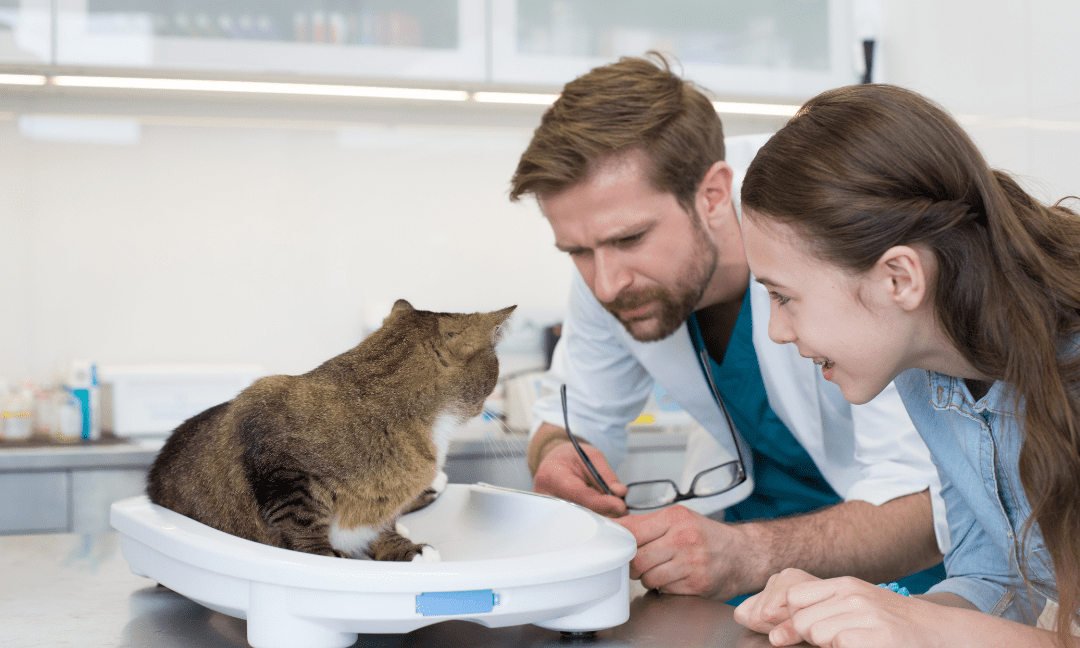
A regular weigh-in with your vet is an integral part of maintaining an ideal cat weight. It will help keep track of any existing and potential issues before it becomes too late. It also helps when you have an expert to advise you from a medical standpoint.
Being a cat parent means being responsible for their health. One way to do this is to ensure your furry feline is at their most optimal weight so that they can have a healthy, happy and long nine lives.